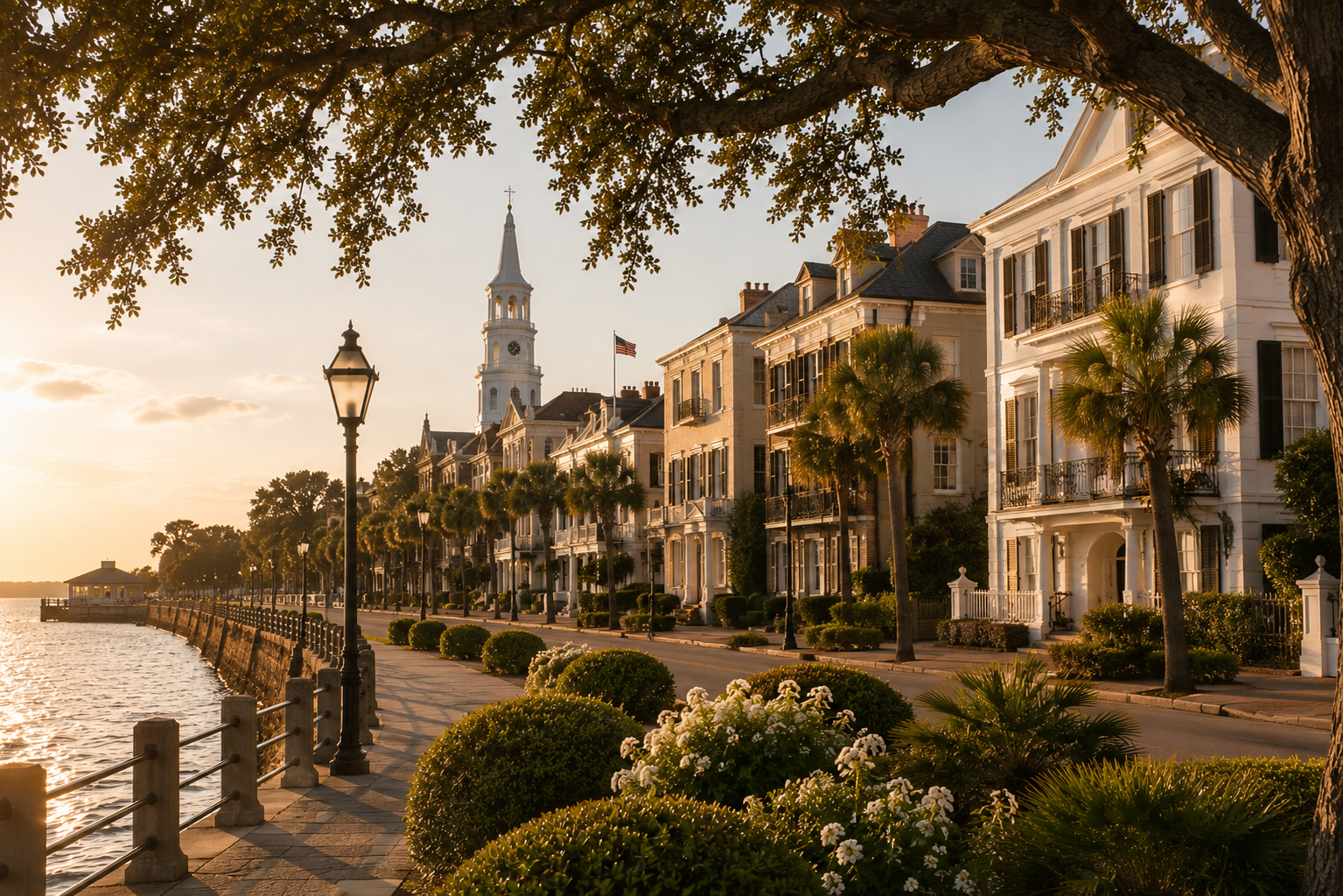
Living in Charleston, SC: What to Know Before You Move
A practical guide to Charleston neighborhoods, lifestyle, housing, new construction and the things worth knowing before you make the Lowcountry home.
Charleston has a way of making everyday life feel a little different.
Historic streets, waterways woven throughout the region, beaches within reach, neighborhood restaurants, warm evenings outside and communities that range from centuries-old Charleston homes to brand-new construction all contribute to the Lowcountry lifestyle.
But living in Charleston, SC is different from vacationing here.
If you're considering moving to Charleston, choosing where to live often comes down to much more than finding a house you like. Your commute, proximity to the water, preference for new construction or an established neighborhood, desire for walkability, and even flood considerations can significantly change which part of the Charleston area makes sense for you.
I moved to the Charleston area after previously living and working in Charlotte, and today I help buyers navigate Charleston and its surrounding communities. My background in new-home sales also gives me a different perspective when comparing resale homes, builders, communities, incentives and the true cost of new construction.
This guide is designed to give you a practical starting point for deciding whether Charleston is right for you—and where you may want to begin your home search.
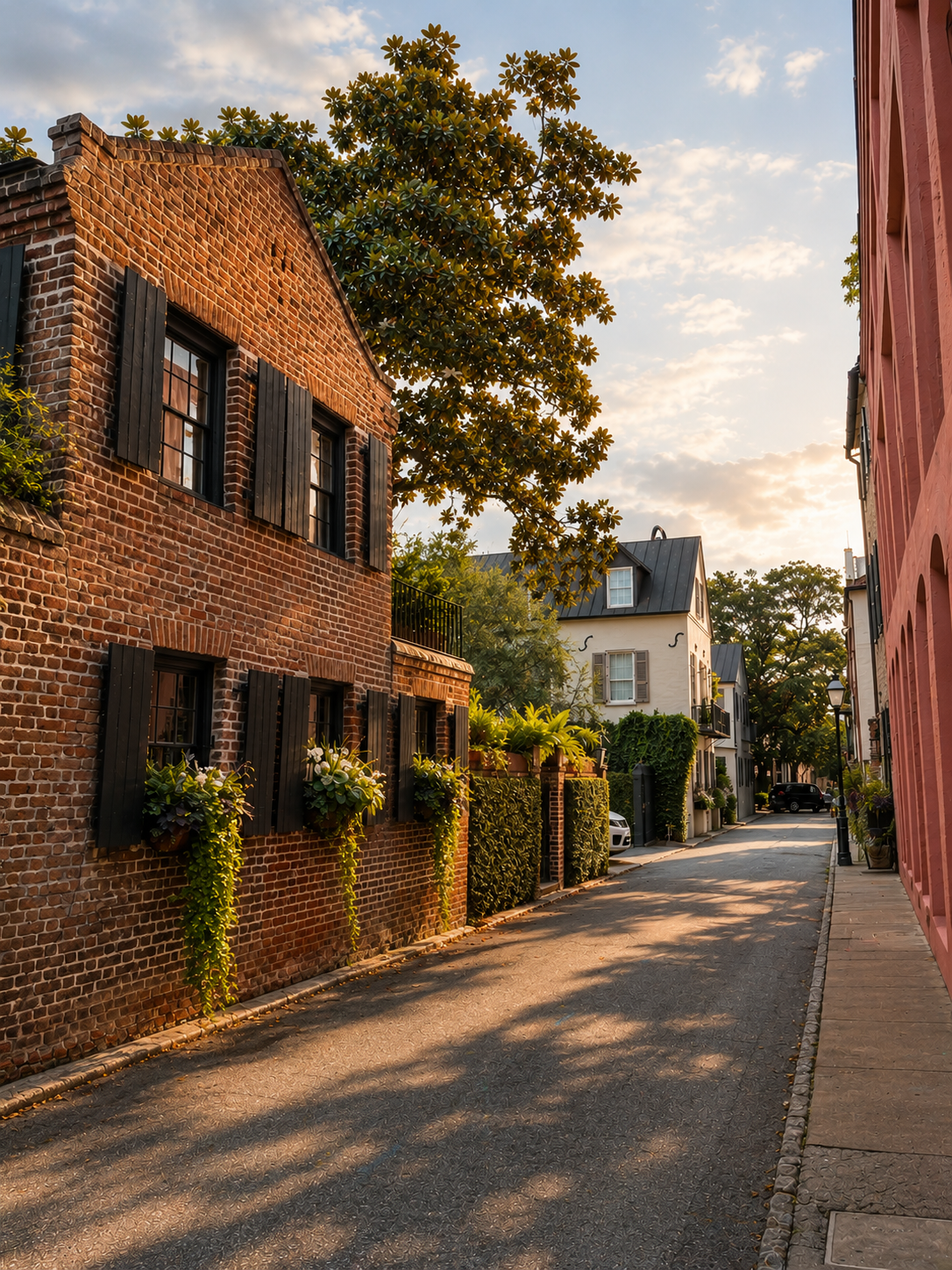
What Is It Really Like Living in Charleston, SC?
Charleston isn't one single lifestyle.
Living downtown can mean historic architecture, restaurants and a more urban environment. Mount Pleasant puts you closer to beaches such as Sullivan's Island and Isle of Palms while offering extensive shopping, dining and established residential communities. Summerville offers a different pace with master-planned communities and considerable new-construction activity. Johns Island provides yet another experience, with a more spread-out feel and easy access to parts of the coast.
That's why one of the biggest mistakes people can make when researching Charleston from another state is focusing on a home before understanding the different areas.
Start with the lifestyle you want. Then find the home that fits it.
Explore the site's Charleston community guides for more area-specific details.
Charleston Areas to Know Before You Start Looking
For a broader side-by-side overview, explore my guide to Charleston neighborhoods and communities.
EXPLORE CHARLESTON NEIGHBORHOODS & COMMUNITIES01
Downtown Charleston & the Peninsula
When many people picture Charleston, this is what they imagine: historic architecture, church steeples, colorful homes, restaurants, galleries and streets you can explore on foot.
Living on the peninsula can put you close to the energy and character that make Charleston famous, but home style, parking, lot size, renovation considerations and flood risk can vary considerably by location and property.
For buyers who value historic character and proximity to restaurants and city life, Downtown Charleston is worth exploring.
02
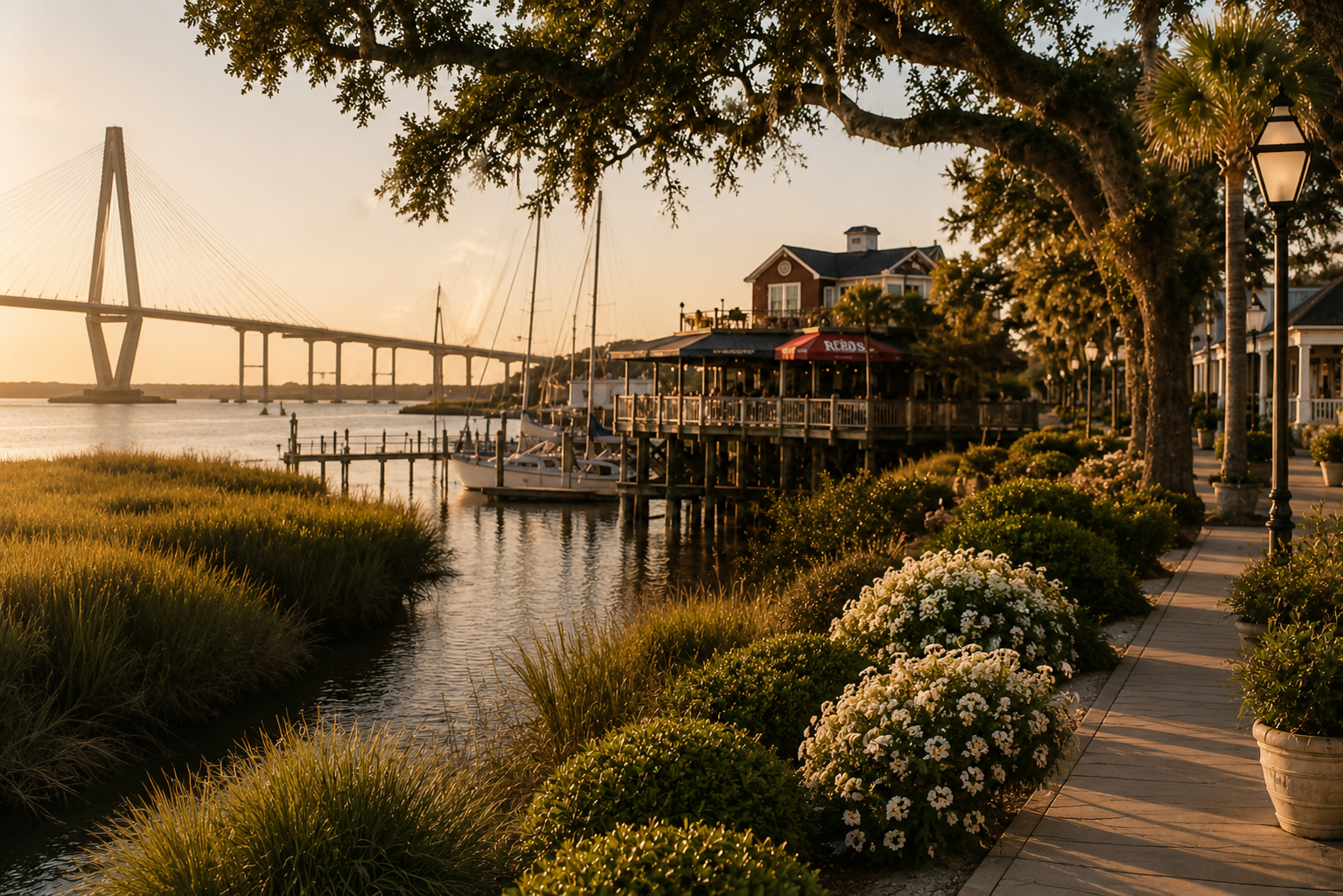
Mount Pleasant
Across the Cooper River from Downtown Charleston, Mount Pleasant is one of the most recognizable residential markets in the Charleston area.
You'll find everything from established neighborhoods and golf communities to newer construction, luxury homes and properties closer to the water. It also provides convenient access to Sullivan's Island and Isle of Palms.
The trade-off is price. Buyers comparing Mount Pleasant with Summerville or other outlying areas may find that their budget buys a very different home depending on location.

03
Summerville
For buyers who want more home options, newer communities and a suburban setting, Summerville frequently enters the conversation.
The Summerville area includes established neighborhoods as well as major master-planned communities, and it has become an important part of Charleston's new-construction market.
The biggest consideration is location within Summerville itself. “Summerville” covers a broad area, so two homes with a Summerville address can offer very different commutes and access to Charleston.
04
Nexton
Nexton is a large master-planned community in the Summerville area offering a mix of residential neighborhoods, trails, parks, restaurants, businesses and new construction.
For buyers who like the idea of newer homes and community amenities, Nexton deserves a closer look. There are multiple builders and home styles, so comparing the options—and understanding what is included in a builder's advertised price—is important.
My previous experience working directly in new-home sales is especially useful here. A model home can make a floor plan look effortless, but the model may include substantial structural and design upgrades that aren't reflected in the base price you first see online.
05
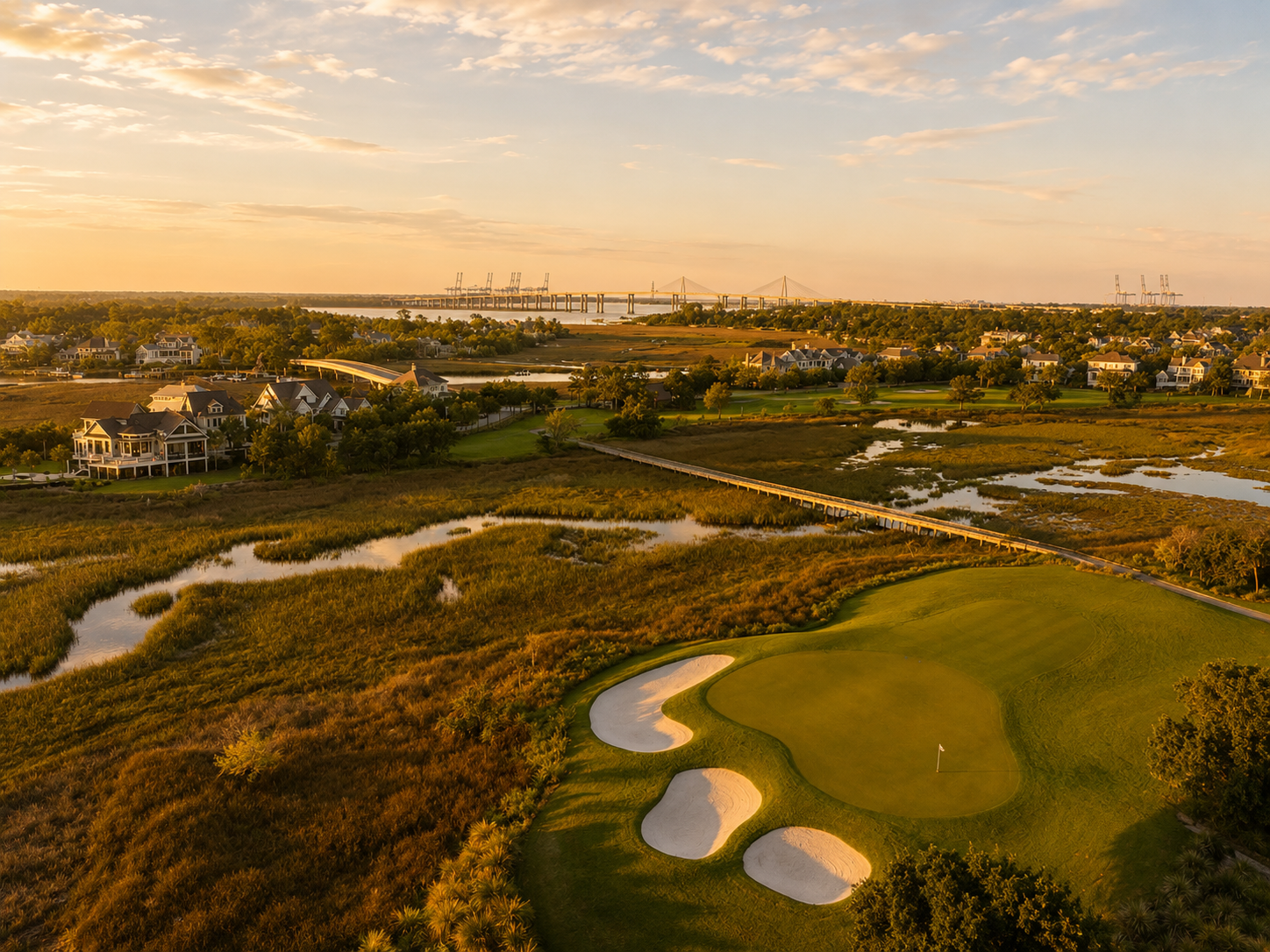
Daniel Island
Daniel Island combines residential neighborhoods with restaurants, businesses, parks and waterfront surroundings in a planned island setting.
Housing ranges from condos and townhomes to single-family and luxury properties. For buyers who value a community-oriented environment with convenient access to both Charleston and Mount Pleasant, Daniel Island is often worth considering.
06
Johns Island
Johns Island offers a noticeably different atmosphere from Downtown Charleston or Mount Pleasant.
Parts of the island retain a more rural and spacious character, while residential development has continued to expand. Its location also puts residents near destinations such as Kiawah and Seabrook Islands.
Buyers considering Johns Island should pay particular attention to the exact location of a property, road access, commute patterns, utilities and flood considerations.
07
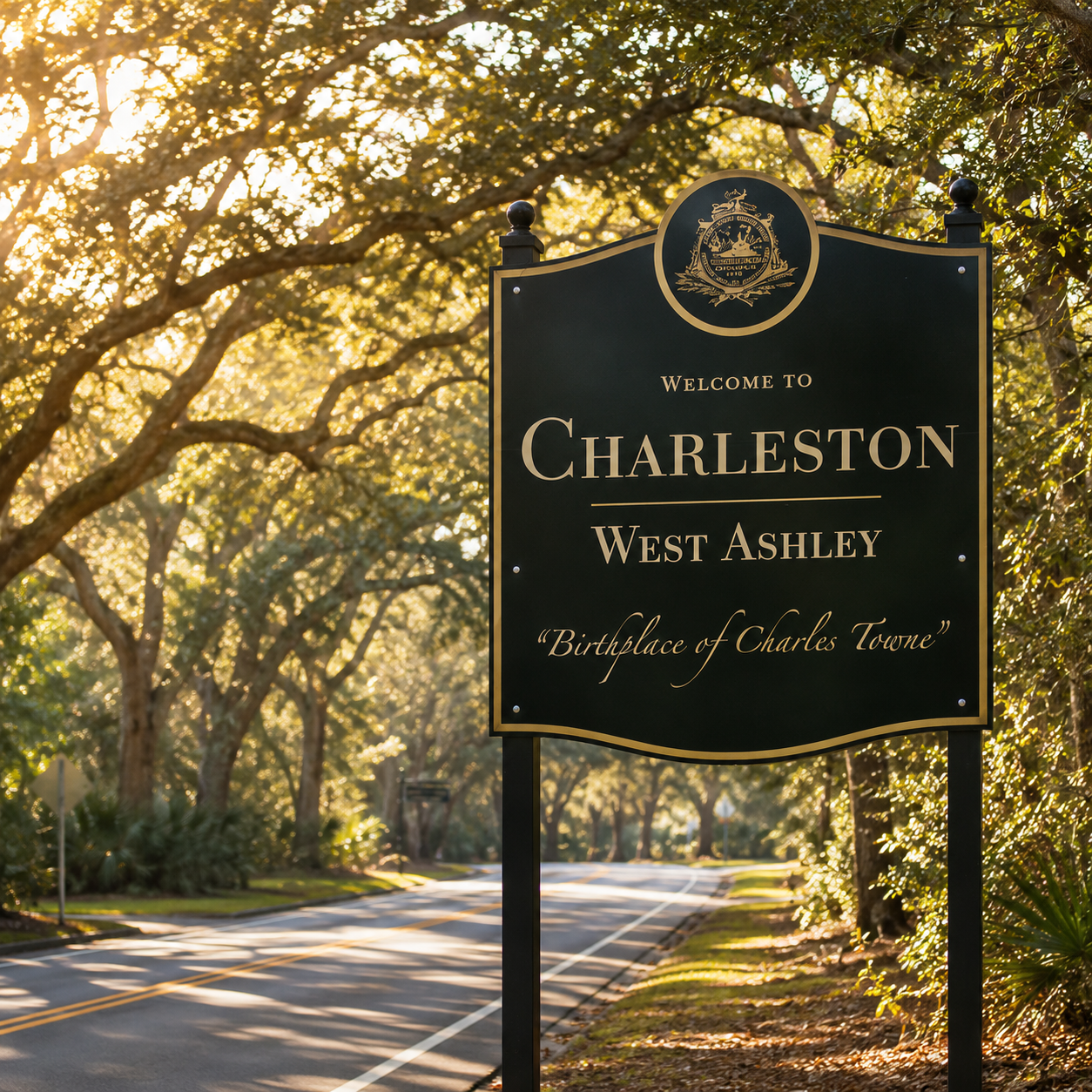
West Ashley
West Ashley sits just across the Ashley River from the Charleston peninsula and includes a wide variety of established neighborhoods, renovated homes, townhomes and newer developments.
Its central location can make it an interesting option for buyers who want access to Downtown Charleston without necessarily living on the peninsula.
Because West Ashley covers a large area, the character, housing stock and commute can vary significantly from one neighborhood to another.
STILL FIGURING OUT WHICH PART OF CHARLESTON FITS YOU?
Get my free Charleston Relocation Guide for a closer look at the communities, lifestyle and home options throughout the area.
How Much Does It Cost to Live in Charleston?
This is one of the most common questions I receive—and one of the hardest to answer with a single number.
Charleston isn't one housing market.
The same budget might purchase a condo or smaller property in one location, a newer suburban home farther from Downtown, or something completely different depending on the community, property type and distance from the coast.
Instead of asking:
“What can I buy for $600,000 in Charleston?”
Start with:
“What lifestyle and location do I want, and what does my budget buy there?”
That's a much more useful comparison.
Homeownership expenses can also include HOA fees, regime fees for some condos and townhomes, insurance, flood insurance where applicable, property taxes and maintenance—so I recommend comparing the complete monthly and annual picture rather than purchase price alone.
Property Taxes in South Carolina
If you're relocating from another state, South Carolina's property-tax system is something you'll want to understand.
Owner-occupied primary residences that qualify for South Carolina's legal-residence classification may receive a 4% assessment ratio. This is not something I recommend assuming will happen automatically after purchasing a home; eligibility and application requirements should be confirmed with the county assessor for the property you're considering.
Investment properties, second homes and other property classifications can be treated differently.
When we're comparing homes, I can help you identify the appropriate county resources so you can research the tax treatment of a specific property rather than relying solely on the previous owner's tax bill.
Flooding Is Part of the Home-Buying Conversation
If you're moving to coastal South Carolina, flood risk deserves attention—but seeing the words “flood zone” shouldn't automatically end your search.
Properties in Charleston can have very different flood-risk profiles. FEMA flood-zone designation, property elevation, construction type, previous flooding, drainage and insurance costs are all pieces of the picture.
For buyers, I recommend researching the individual property rather than making assumptions about an entire neighborhood.
Depending on the property, that may include reviewing:
- current FEMA flood-zone designation
- available elevation certificates
- flood-insurance quotes
- seller disclosures and known flood history
- the home's elevation and construction
- drainage and surrounding conditions
This is one area where two homes located relatively close to each other can have very different considerations.
New Construction vs. Resale in Charleston
Charleston-area buyers have access to both established neighborhoods and substantial new-construction opportunities.
Neither is automatically better.
New construction may appeal to you if you value:
Newer systems and finishes, builder warranties, energy-efficiency features, community amenities and the ability to personalize a home when construction timelines allow.
Resale may appeal to you if you value:
Established landscaping, mature neighborhoods, particular locations, larger homesites in some communities or improvements that a previous owner has already completed.
There is also an important distinction between a builder's base price and the home you actually see in the model.
Structural options, upgraded kitchens, flooring, trim, lighting, outdoor living spaces and homesite premiums can materially change the final price.
Before one of my buyers goes into a design appointment, I like to help establish a more realistic picture of the likely finished cost rather than allowing the model home to set expectations that the base price doesn't support.
Charleston Weather: What Relocating Buyers Should Expect
Charleston's coastal climate is one of the reasons people are attracted to the area.
Winters are generally mild compared with much of the Northeast and Midwest, while summers are hot and humid. Outdoor living can extend through much of the year, but newcomers should also understand that coastal living means preparing for tropical weather and hurricane season.
If you're buying a home, features that may not have mattered as much where you currently live—drainage, flood exposure, trees near the home, roof age, insurance costs and storm preparation—can become more important here.
Getting Around Charleston
Charleston is a region of waterways, bridges and distinct communities, which means distance on a map doesn't always tell you how a commute will feel.
A buyer might love a home but later realize that their daily routine requires repeatedly crossing a bridge or traveling a heavily used corridor.
That's why I recommend mapping the things you'll actually do regularly:
- Where will you work?
- How often do you want to go Downtown?
- How important is beach access?
- Where are the activities and places you use most?
Once those priorities are clear, your home search becomes much easier to narrow.
Charleston Lifestyle: More Than Downtown and the Beach
One of my favorite things about living in the Charleston area is that you don't need to make every weekend a major event.
A morning near the water, farmers market, golf-cart ride in communities where they're part of daily life, dinner outside, fishing, exploring a new restaurant or watching a Lowcountry sunset can simply become part of your routine.
At the same time, your version of Charleston may look completely different from someone else's.
You may want historic streets and walkability.
You may want to be as close to the beach as possible.
You may want a newer home with neighborhood amenities.
You may want more space.
Or you may want a low-maintenance 55+ community where the lifestyle is as important as the house.
There isn't one “best” Charleston neighborhood. There is a best fit for you.

Pros and Considerations of Living in Charleston, SC
Reasons people consider Charleston
- Coastal lifestyle and access to waterways
- Mild winters
- Historic character and architecture
- Strong restaurant and hospitality scene
- Beaches and outdoor recreation
- Wide variety of communities and home styles
- Significant new-construction options in surrounding areas
Things to consider before moving
- Hot, humid summers
- Hurricane and tropical-weather preparation
- Flood risk varies by property
- Insurance costs should be investigated early
- Traffic and bridge-dependent commutes
- Housing costs vary dramatically by location
- HOA or regime fees in certain communities
- Rapid development in parts of the metro area
Charleston has plenty to love, but a relocation decision should be based on the full picture—not just what looks beautiful during a weekend visit.
How to Choose Where to Live in Charleston
01 — Your Budget
Not simply your maximum purchase price, but the monthly payment and overall ownership costs you're comfortable with.
02 — Your Preferred Lifestyle
Walkable and historic? Coastal? Suburban? Master-planned? Larger homesite? Low-maintenance?
03 — Your Commute
Where do you need to be regularly?
04 — Your Home Priorities
New construction or resale? One story? Yard? Pool? Townhome? Waterfront? Amenities?
05 — Your Timeline
Are you relocating in three months—or just beginning to research Charleston for a possible move next year?
Those answers can quickly narrow a very large Charleston search into a handful of areas worth exploring.
Moving to Charleston? Start Here.
You don't need to know exactly where you want to live before reaching out.
In fact, helping buyers narrow that down is one of the most useful parts of the relocation process.
Tell me what you're looking for, what matters most to you and what you're hoping your life in Charleston will look like. I can help you compare areas, understand your housing options and identify communities that deserve a closer look.
Frequently Asked Questions About Living in Charleston, SC
Is Charleston, SC a good place to live?
Charleston appeals to people looking for a coastal lifestyle, historic character, restaurants, outdoor recreation and a variety of residential environments. Whether it's a good fit for you depends on your budget, commute, preferred lifestyle and tolerance for considerations such as heat, humidity, tropical weather and flood risk.
What are the best areas to live in Charleston?
There isn't one best area for everyone. Downtown Charleston, Mount Pleasant, Daniel Island, West Ashley, Johns Island, Summerville and communities such as Nexton each offer different housing, location and lifestyle characteristics. The best starting point is identifying the type of daily life you want rather than choosing solely from an online “best neighborhoods” ranking.
Is Charleston expensive to live in?
Housing costs vary significantly across the Charleston region. Location, proximity to Downtown or the coast, home type, insurance, HOA or regime fees and property taxes can all affect the cost of living in a particular home. Comparing total ownership costs is more useful than looking at purchase price alone.
Does Charleston flood?
Flooding is an important consideration in coastal Charleston, but risk varies by individual property. Buyers should review current flood-zone information and consider elevation, insurance, drainage, flood history and other property-specific factors before purchasing.
Is there new construction in Charleston?
Yes. New-construction opportunities can be found throughout the greater Charleston area, particularly in growing suburban and master-planned communities. Builders, incentives, included features, homesite premiums and upgrade costs vary, so comparing the complete purchase rather than advertised base prices is important.
How far is Charleston from the beach?
That depends heavily on where you live. The Charleston region includes several coastal communities and beaches, but drive times can change based on your starting point, traffic, bridges and season. If regular beach access is a priority, it should be part of your location decision from the beginning.
Should I visit Charleston before moving?
When possible, yes. A relocation visit can be much more productive when you use it to compare several areas rather than simply tour homes. Seeing the commute, surroundings, housing styles and distances between communities can help you narrow your search before you're ready to purchase.

Alena Goncharov | REALTOR®
Coldwell Banker Realty
I help buyers and sellers throughout Charleston and the surrounding Lowcountry, with a particular focus on relocation, new construction and helping buyers understand how Charleston's different communities compare.
Before transitioning into residential real estate, my experience included working directly in new-home sales with a national homebuilder in the Coastal Carolinas. That background allows me to help buyers look beyond the model home and better understand builders, floor plans, options, incentives and the new-construction process.
SC #124111
NC #323433