Charleston, SC Neighborhoods: Where to Live & What to Know
From historic streets and waterfront communities to master-planned neighborhoods and more spacious suburban settings, the Charleston area offers dramatically different ways to live.
The question isn't simply, “What are the best neighborhoods in Charleston, SC?”
A better question is:
“Which part of Charleston fits the way you want to live?”
Whether you're relocating to Charleston, moving across town or beginning your home search from another state, this guide will help you compare some of the area's most searched communities by location, housing style, amenities and everyday lifestyle.
If you're still deciding whether the Lowcountry lifestyle itself is right for you, start with my Living in Charleston, SC guide.
First: What Do We Mean by “Charleston Neighborhoods”?
This is an important distinction when you're researching Charleston online.
The Charleston region includes the City of Charleston itself as well as surrounding municipalities, islands and communities that are commonly included in a broader Charleston-area home search.
Within the City of Charleston, you'll find areas including the Charleston Peninsula, West Ashley, portions of Johns Island and Daniel Island/Cainhoy.
But many buyers searching for “Charleston neighborhoods” are also comparing places such as Mount Pleasant, Summerville and Nexton.
They're all part of the broader Charleston conversation—but they aren't interchangeable.
“Compare areas first and individual homes second.”
That's why I encourage buyers to compare areas first and individual homes second.
Where you live can affect your commute, proximity to the beach or water, access to restaurants and shopping, housing options, lot size, neighborhood amenities and how much home your budget may buy.
Charleston Areas at a Glance
01
Downtown Charleston & the Peninsula
KNOWN FOR
Historic architecture • Walkability • Restaurants • Culture • City living
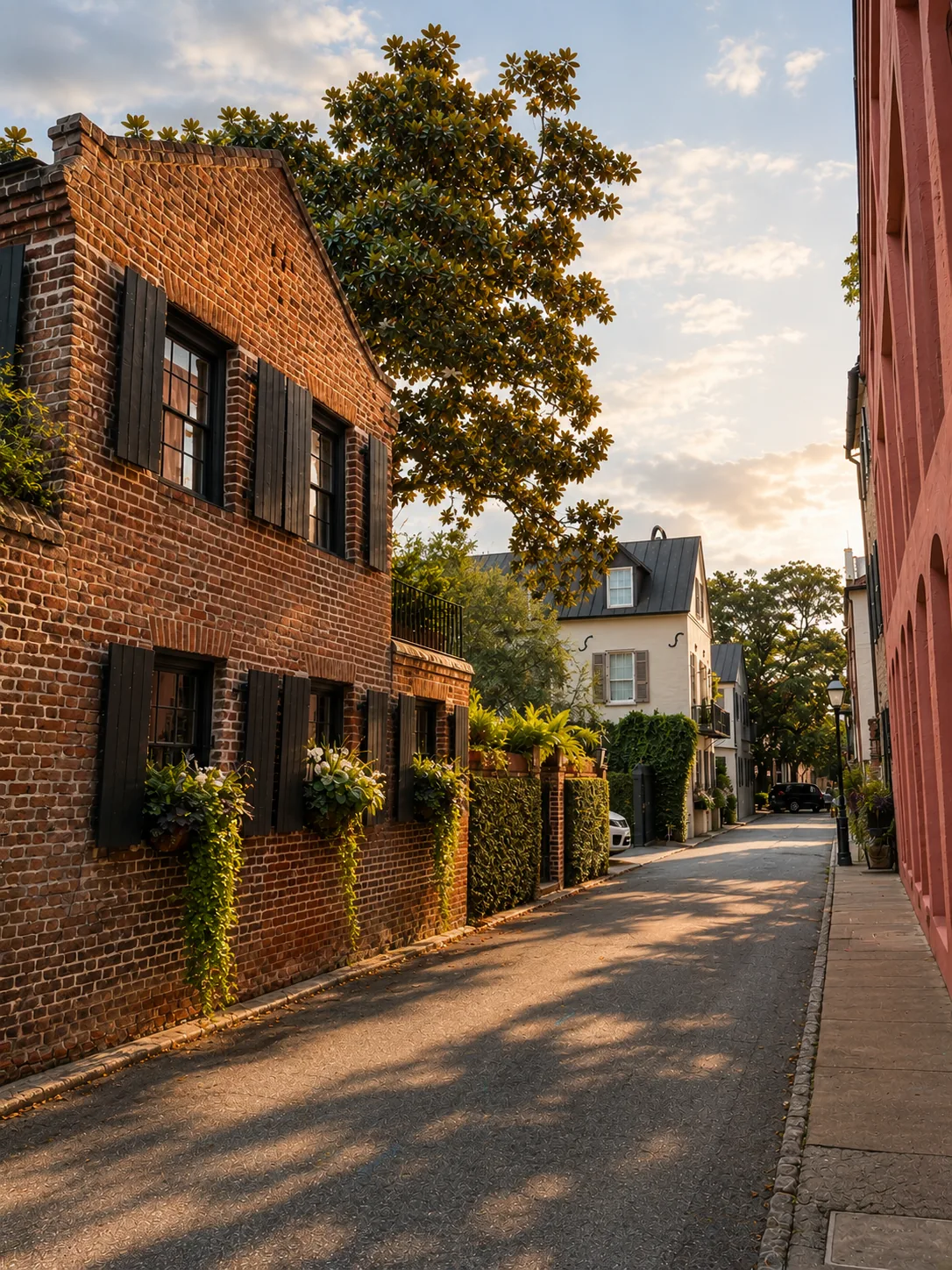
If the Charleston you've pictured involves colorful historic homes, church steeples, cobblestone streets and being able to walk to dinner, you're probably picturing the Peninsula.
Downtown Charleston offers some of the region's most distinctive architecture and puts restaurants, galleries, parks, shops and cultural attractions close at hand.
Housing varies considerably—from historic single houses and renovated residences to condominiums and newer luxury properties.
The tradeoffs can include limited parking, smaller lots, older-home maintenance considerations and property-specific flood considerations.

02
Mount Pleasant
KNOWN FOR
Coastal location • Established neighborhoods • Newer communities • Shopping & dining • Beach access
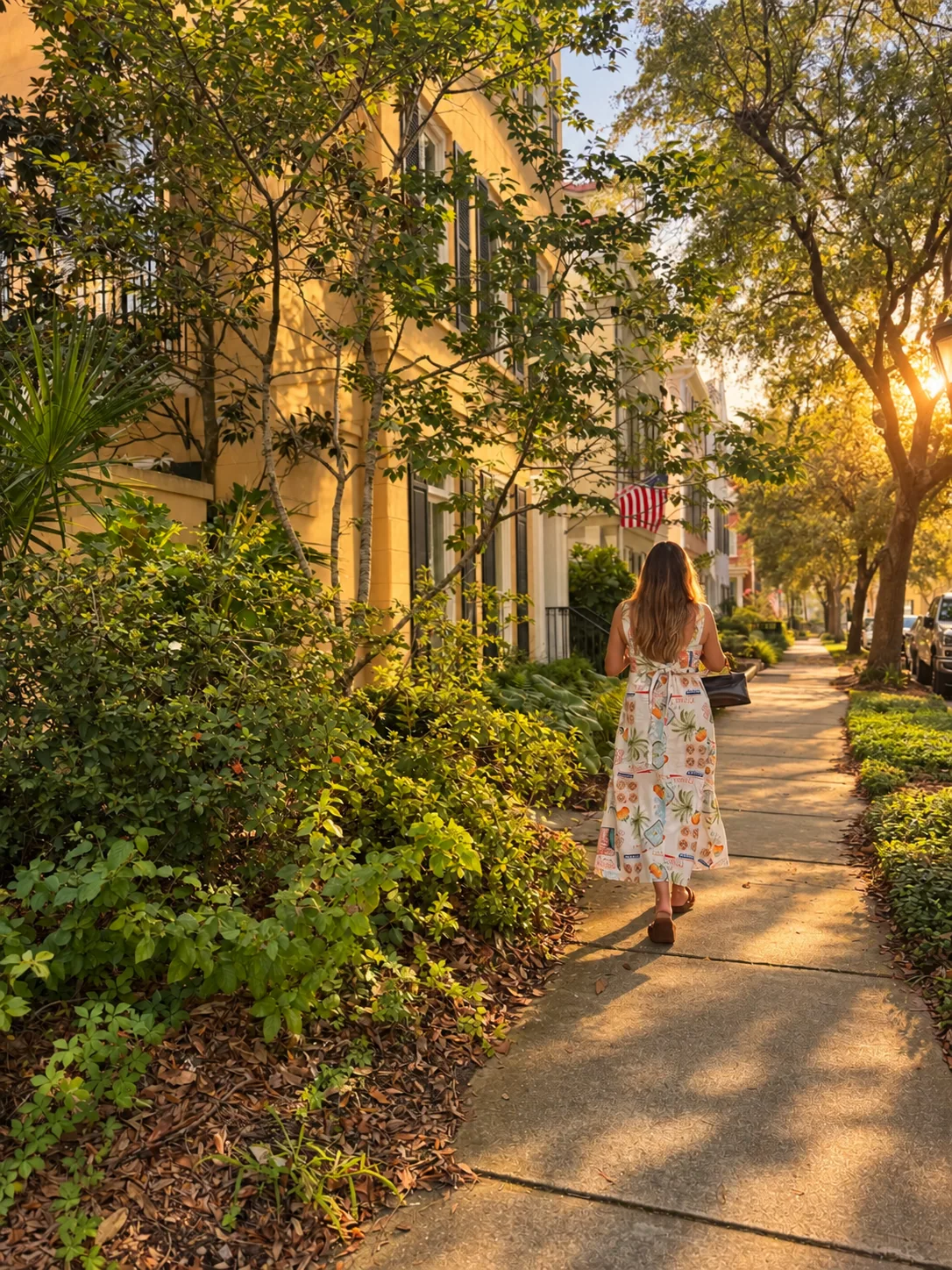
Across the Cooper River from Downtown Charleston, Mount Pleasant offers one of the area's broadest mixes of residential settings.
You can find established neighborhoods beneath mature trees, waterfront and marsh-front properties, golf-oriented communities, newer construction and luxury homes.
Its location also puts Sullivan's Island and Isle of Palms within relatively easy reach from many parts of town.
Because Mount Pleasant stretches across a large geographic area, the experience can vary considerably depending on where you live. Older areas closer to the Ravenel Bridge feel very different from newer communities farther north.
For buyers comparing Charleston-area locations, Mount Pleasant often comes down to a balance between location, housing preferences, proximity to the coast and budget.
03
Daniel Island
KNOWN FOR
Planned community • Parks & trails • Waterfront • Restaurants • Residential village feel
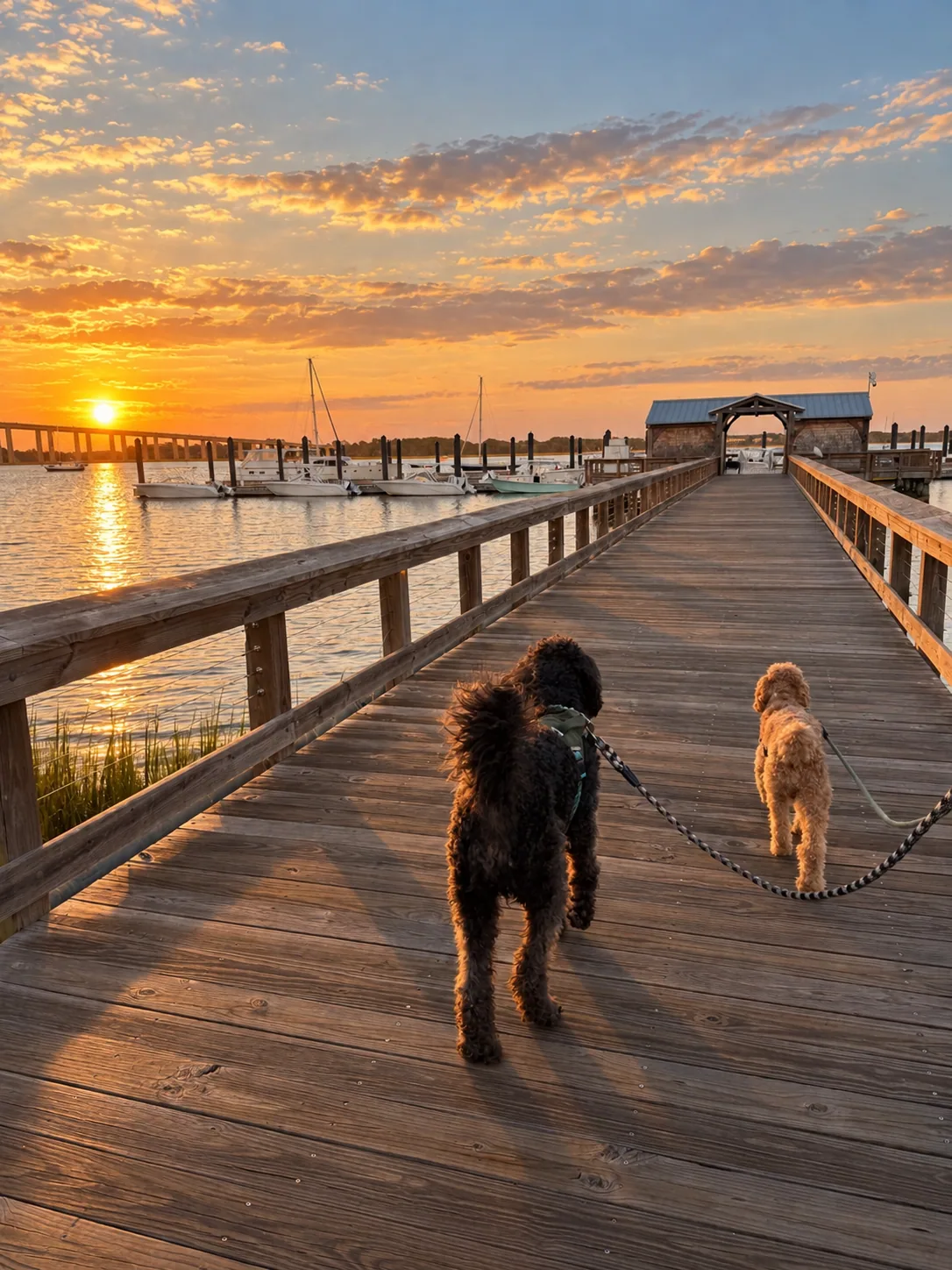
Daniel Island combines residential neighborhoods with parks, trails, businesses, restaurants and waterfront areas.
Housing includes condominiums, townhomes, single-family homes and luxury properties, giving buyers several ways to live within the community.
Its streetscapes and interconnected amenities create a different experience from both historic Downtown Charleston and the larger suburban areas surrounding the city.
Daniel Island is also geographically connected to the Cainhoy portion of Charleston, making it an important area to understand when looking east of the Cooper River.
04
West Ashley
KNOWN FOR
Established neighborhoods • Central location • Variety of housing • Mature landscaping
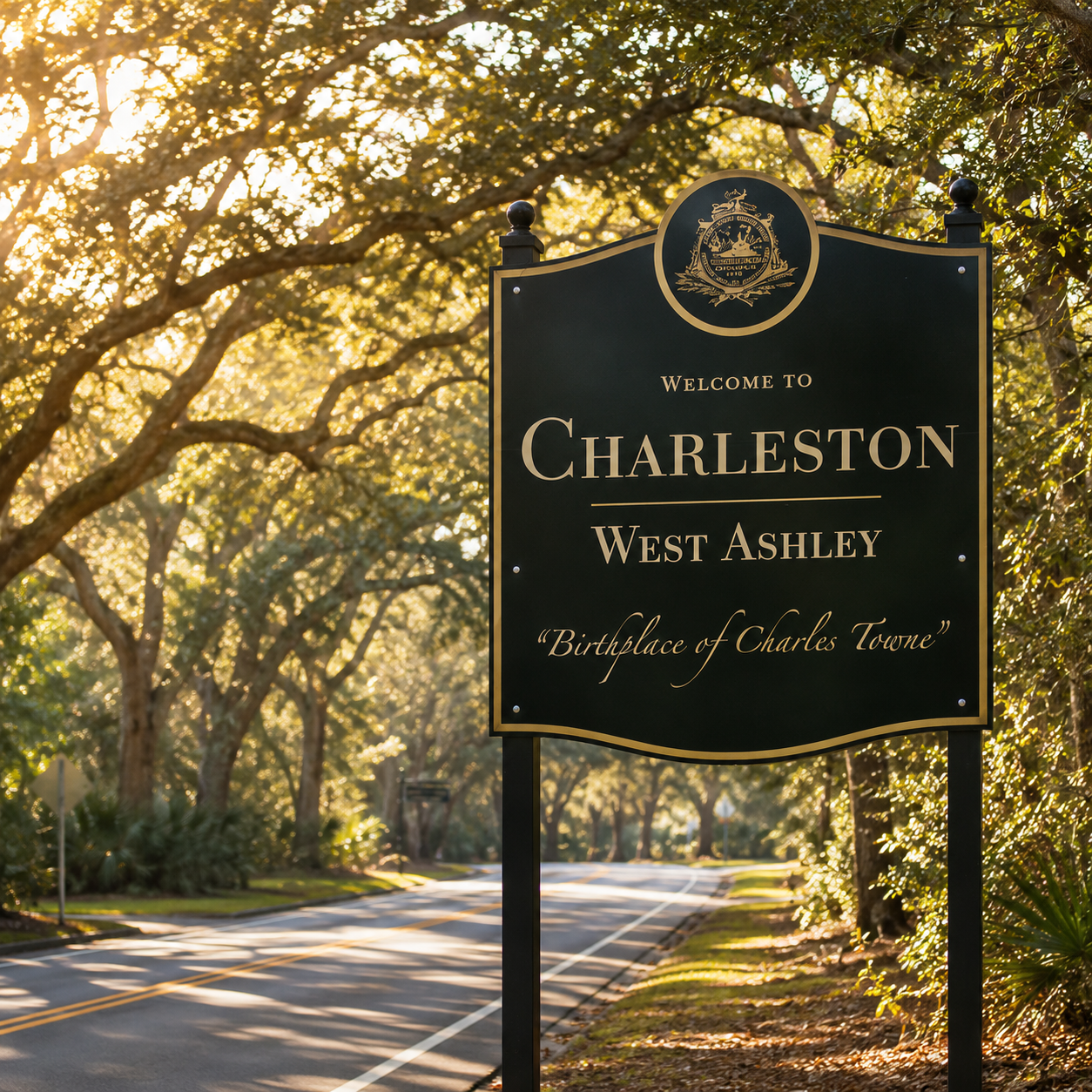
Cross the Ashley River from Downtown and you'll reach West Ashley.
This large part of Charleston contains an extensive mix of established subdivisions, mid-century homes, renovated properties, townhomes, condominiums and newer infill development.
Areas such as Avondale, Byrnes Downs, South Windermere and other West Ashley neighborhoods each have their own housing stock and surroundings.
One of West Ashley's advantages is its position relative to Downtown Charleston, but location within West Ashley matters. Drive times, road access and proximity to everyday destinations can differ considerably from one neighborhood to another.
05
Johns Island
KNOWN FOR
Natural setting • Larger homesites in some areas • New development • Access toward Kiawah & Seabrook
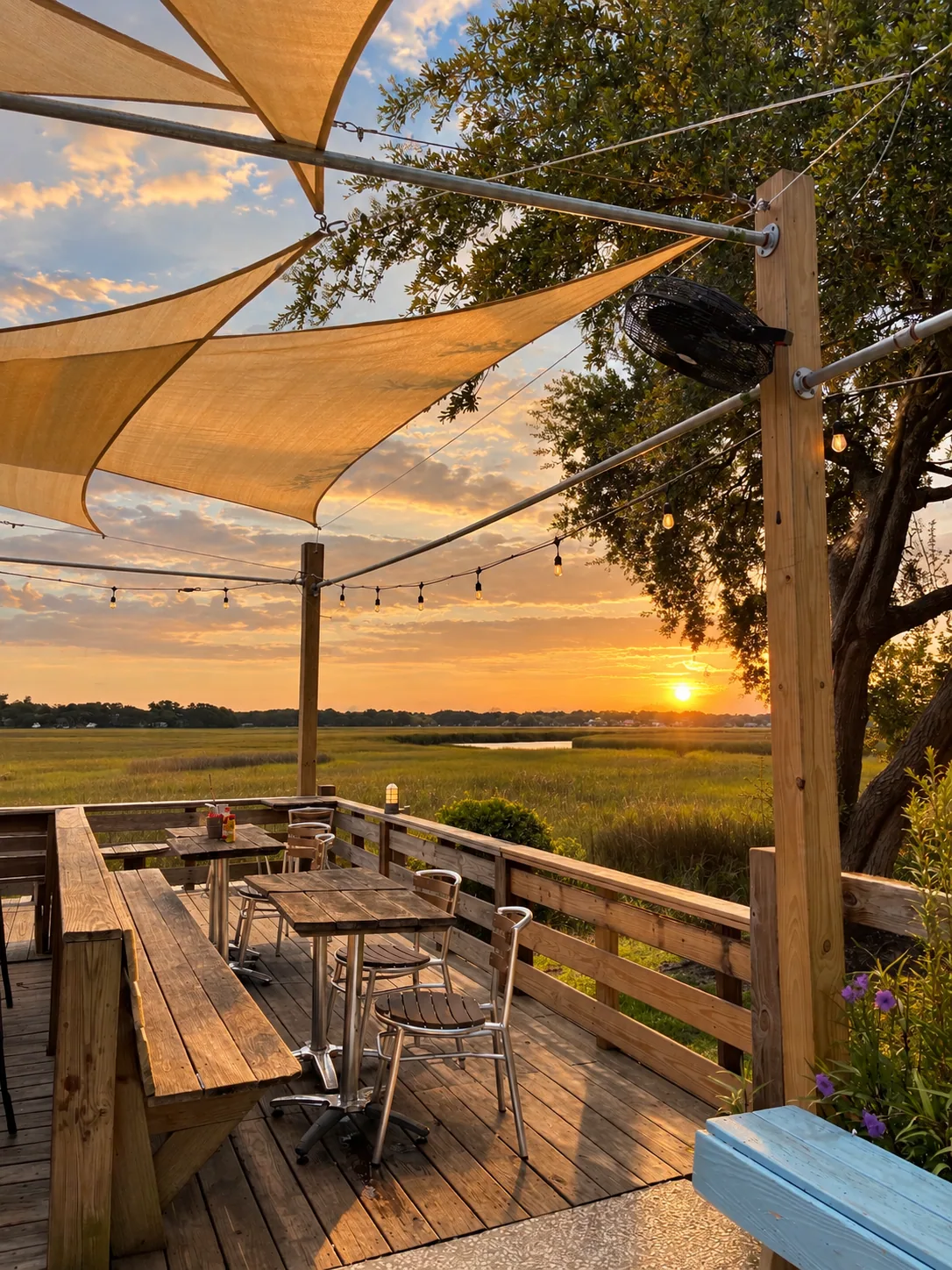
Johns Island offers a noticeably different landscape from much of Charleston.
Parts of the island retain a more rural, wooded character, while other areas have experienced significant residential growth and new construction.
Depending on the property, buyers may find established homes, newer neighborhoods, larger homesites, waterfront opportunities and communities closer to the island's commercial corridors.
Johns Island is also a gateway toward Kiawah Island and Seabrook Island.
When considering a home here, pay particular attention to the exact location. Road access, commute patterns, utilities, flood considerations and proximity to shopping can vary substantially across the island.
06
James Island
KNOWN FOR
Island setting • Established homes • Proximity to Downtown • Access toward Folly Beach
James Island sits between Downtown Charleston and Folly Beach and includes a mix of established residential neighborhoods, renovated homes, townhomes and newer development.
For buyers who want to remain relatively close to both the Peninsula and the coast, it's an area worth understanding.
As with the rest of Charleston, individual properties can differ substantially in lot characteristics, flood considerations, age and condition.
Not sure which Charleston area fits what you're looking for?
My free Charleston Relocation Guide gives you another look at the communities, lifestyle and practical details to consider before making a move.
Charleston Suburbs & Communities to Know
Not every popular Charleston-area home search is technically within the City of Charleston.
If you're relocating here, these are several other locations you're likely to encounter.
01
Summerville
KNOWN FOR
Historic town center • Suburban communities • New construction • Broad housing selection
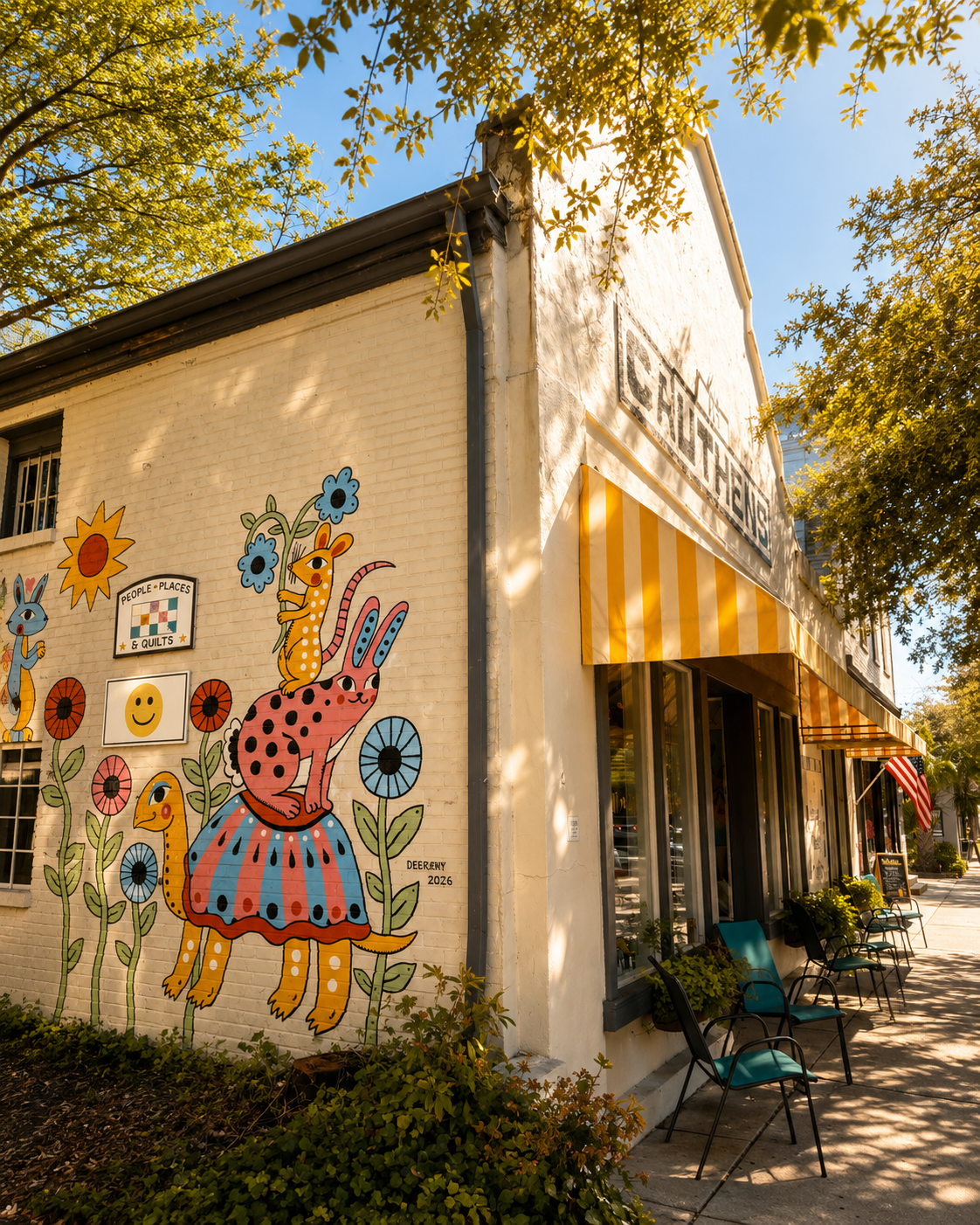
Summerville sits northwest of Charleston and has grown into one of the region's major residential areas.
Its housing inventory ranges from established neighborhoods near historic Summerville to large master-planned communities and extensive new construction.
For buyers prioritizing newer homes, neighborhood amenities or more housing choices at a given budget, Summerville is often worth comparing with locations closer to Charleston.
Because Summerville covers such a broad area, don't evaluate a property based solely on a “Summerville” mailing address.
The exact community and its location relative to your daily routine matter considerably.

02
Nexton
KNOWN FOR
Master-planned living • New construction • Trails & parks • Restaurants • Community amenities
Nexton is one of the Charleston area's most prominent master-planned communities and a location I know particularly well from my background in new-home sales.
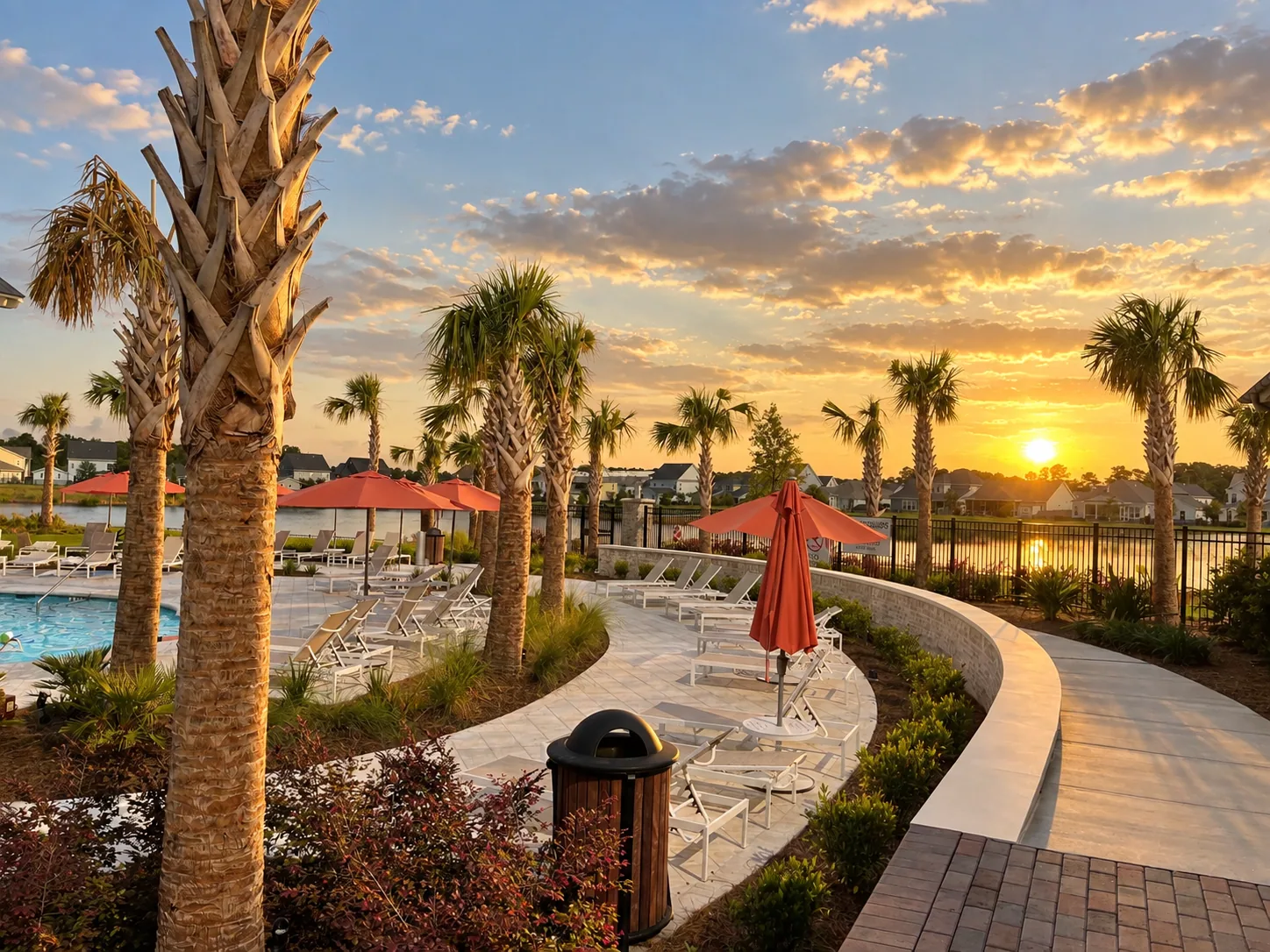
The community combines residential neighborhoods with trails, parks, restaurants, businesses and community amenities.
Buyers can encounter multiple builders, floor plans, homesites and phases—meaning two homes with similar advertised base prices can ultimately look very different once homesite premiums, structural selections and design options are considered.
That's one reason I recommend understanding the realistic finished cost of a new home, not simply the builder's advertised starting price.
03
Carnes Crossroads
KNOWN FOR
Master-planned community • New construction • Parks & trails • Neighborhood amenities
Carnes Crossroads is another master-planned community in the greater Summerville area.
The community includes residential neighborhoods alongside trails, parks and community amenities, with a mixture of existing homes and new-construction opportunities depending on current inventory.
For buyers comparing master-planned communities, it's worth looking beyond floor plans alone.
Compare the homesites, HOA structure, amenities, future development plans, builder options and location relative to the places you'll visit most often.
Which Charleston Area Matches Your Priorities?
There isn't one Charleston neighborhood that works for everyone.
Instead, I start with the things that will actually affect your everyday life.
IF YOU WANT WALKABILITY & HISTORIC CHARLESTON
- Downtown Charleston and the Peninsula
IF YOU WANT COASTAL ACCESS & A WIDE RANGE OF ESTABLISHED COMMUNITIES
- Mount Pleasant
IF YOU LIKE PLANNED COMMUNITY LIVING
- Daniel Island
- Nexton
- Carnes Crossroads
IF NEW CONSTRUCTION IS A PRIORITY
- Nexton
- Summerville
- Carnes Crossroads
- and other developing Charleston-area communities
IF YOU WANT TO COMPARE MORE ESTABLISHED HOUSING OPTIONS
- West Ashley
- James Island
- Mount Pleasant
- Summerville
IF YOU'RE DRAWN TO A MORE NATURAL OR SPACIOUS SETTING
- Johns Island
These aren't rankings. They're simply useful starting points based on location, housing stock and community characteristics.
Charleston Neighborhoods vs. Charleston Suburbs
This is one of the biggest decisions relocation buyers encounter.
Living closer to Downtown Charleston may mean prioritizing location, historic character or walkability while accepting different tradeoffs in home size, lot size, parking or price.
Moving farther from the Peninsula can open up different housing choices, including newer construction and larger master-planned communities.
Neither approach is automatically better.
“What does my budget buy in each location—and which location supports the way I expect to use Charleston?”
That question usually produces a much more useful home search.
How to Compare Charleston Neighborhoods Before Buying
When you're deciding where to live, compare more than the homes themselves.
01
LOCATION
Map the places you'll realistically visit during a normal week—not just tourist destinations.
02
HOUSING
Compare age, condition, architecture, lot size, new construction and resale options.
03
TOTAL OWNERSHIP COST
Consider the purchase price along with HOA or regime fees, insurance, potential flood insurance, taxes and maintenance.
04
COMMUNITY AMENITIES
Depending on the neighborhood, amenities may include pools, trails, parks, fitness facilities, clubhouses or other shared spaces.
05
PROPERTY-SPECIFIC CONSIDERATIONS
Review flood information, insurance availability, property condition, disclosures, HOA documents and other due-diligence items for the specific home you're considering.
New Construction Communities Around Charleston
Charleston's new-construction market deserves its own comparison.
Two builders can offer homes at similar advertised prices while delivering very different standard features, upgrade structures, incentives and homesite premiums.
Before choosing a community or builder, I recommend comparing:
- What's included in the base price
- Structural options
- Design-center allowances and upgrades
- Homesite premiums
- Builder incentives
- Financing incentives and restrictions
- HOA fees
- Community amenities
- Warranty coverage
- Estimated completion timeline
My previous experience working directly in new-home sales gives me a different perspective on this process.
The goal isn't simply to find a model home you love.
It's to understand what the home you actually want is likely to cost before you commit.
Moving to Charleston and Still Not Sure Where to Live?
That's completely normal.
Most relocation buyers don't start by knowing exactly which neighborhood they want.
They start with a picture of the lifestyle they're looking for—and then we narrow the map.
My Charleston Relocation Guide is a good place to begin if you're still comparing communities, housing options and the practical details of moving to the Lowcountry.
Frequently Asked Questions About Charleston, SC Neighborhoods
What are the best neighborhoods in Charleston, SC?
There isn't one neighborhood that is universally best. Downtown Charleston, Mount Pleasant, Daniel Island, West Ashley, Johns Island, James Island and surrounding communities such as Summerville and Nexton offer different combinations of location, housing, amenities and price points. Comparing those objective characteristics is more useful than relying on a universal ranking.
What neighborhoods are actually in the City of Charleston?
The City of Charleston extends beyond the historic Peninsula and includes areas in West Ashley, Johns Island, James Island and Daniel Island/Cainhoy. Municipal boundaries can be less intuitive than they appear on a map, so a property's actual jurisdiction should be verified rather than assumed from its mailing address.
Is Mount Pleasant a neighborhood of Charleston?
No. Mount Pleasant is its own municipality. However, it's part of the greater Charleston area and is commonly included when buyers compare places to live around Charleston.
Is Summerville part of Charleston?
Summerville is a separate town northwest of Charleston. It is part of the broader Charleston region and is frequently considered by buyers searching throughout the Charleston metropolitan area.
Is Nexton in Charleston?
Nexton is a master-planned community in the Summerville area rather than a neighborhood of the City of Charleston. It is commonly included in broader Charleston-area relocation and home searches.
Where should I live if I'm moving to Charleston?
Start with your budget, housing preferences, daily destinations, desired proximity to the coast or Downtown, and whether you prefer established neighborhoods or newer communities. From there, compare several areas before narrowing the search to individual homes.
Should I visit Charleston before choosing a neighborhood?
If possible, spending time in several areas can help you understand distances, traffic patterns, housing styles and the overall layout of the region. A neighborhood that looks close on a map can feel very different once you experience the route in person.

Explore Charleston With a Local Real Estate Perspective
I'm Alena Goncharov, a REALTOR® with Coldwell Banker Realty, helping buyers navigate Charleston, Summerville and the surrounding Lowcountry.
Before becoming a REALTOR®, I worked directly in new-home sales with a national homebuilder in the Coastal Carolinas. That background is especially useful when my clients are comparing resale homes with builders, new communities, incentives and design options.
If you're considering a move to Charleston, you don't need to know exactly where you want to live before reaching out.
That's part of what I help you figure out.
Alena Goncharov, REALTOR®
Coldwell Banker Realty
SC #124111
NC #323433