Why People Retire in Charleston
The appeal starts with the climate and the setting. The Lowcountry has long, mild shoulder seasons and short winters, which means the outdoor lifestyle many people picture for retirement is possible for most of the year. You are surrounded by tidal creeks, marsh, rivers, and beaches, and the historic peninsula gives the region a walkable cultural core with restaurants, galleries, gardens, and the waterfront all close together.
Beyond the scenery, Charleston is a genuinely convenient place to spend this stage of life. The region has grown enough to offer strong healthcare, an international airport for visiting family, and a wide range of housing, from low-maintenance condos and townhomes to single-level homes in amenity-rich communities. That combination of lifestyle, convenience, and housing choice is what keeps Charleston near the top of national retirement lists year after year.
The Retirement Lifestyle Here
Day-to-day life in retirement here tends to revolve around the outdoors and the water. Golf, tennis, pickleball, boating, fishing, kayaking, and long walks on the beach or on the many greenways and trails are all part of the culture. The mild climate makes it realistic to stay active outside for much of the year, and there is a strong community of clubs, volunteer organizations, and social groups to plug into.
The peninsula and its surrounding towns also offer a rich calendar of culture and events: the Spoleto arts festival, farmers markets, historic garden tours, live music, and a nationally recognized dining scene. Whether you want a busy social calendar or a quiet routine of morning walks and creekside afternoons, the region is large and varied enough to support the pace you prefer.
Low-maintenance living
Many buyers at this stage want to spend their time enjoying the area rather than maintaining a house and yard. That is why low-maintenance options are so popular here, including condos, townhomes, and single-family homes in communities where lawn care and exterior upkeep are handled by the association. It is worth deciding early how much maintenance you want to take on, because it narrows your search considerably.
55+ and Active-Adult Communities
One of the most common paths for retirement buyers is an age-qualified community. These are communities designed for buyers who are typically 55 and older, and they are a well-established housing category in the Charleston area, concentrated largely in the Summerville, Nexton, and Cane Bay corridors to the northwest of the city. They center on single-level, low-maintenance homes and a strong slate of shared amenities.
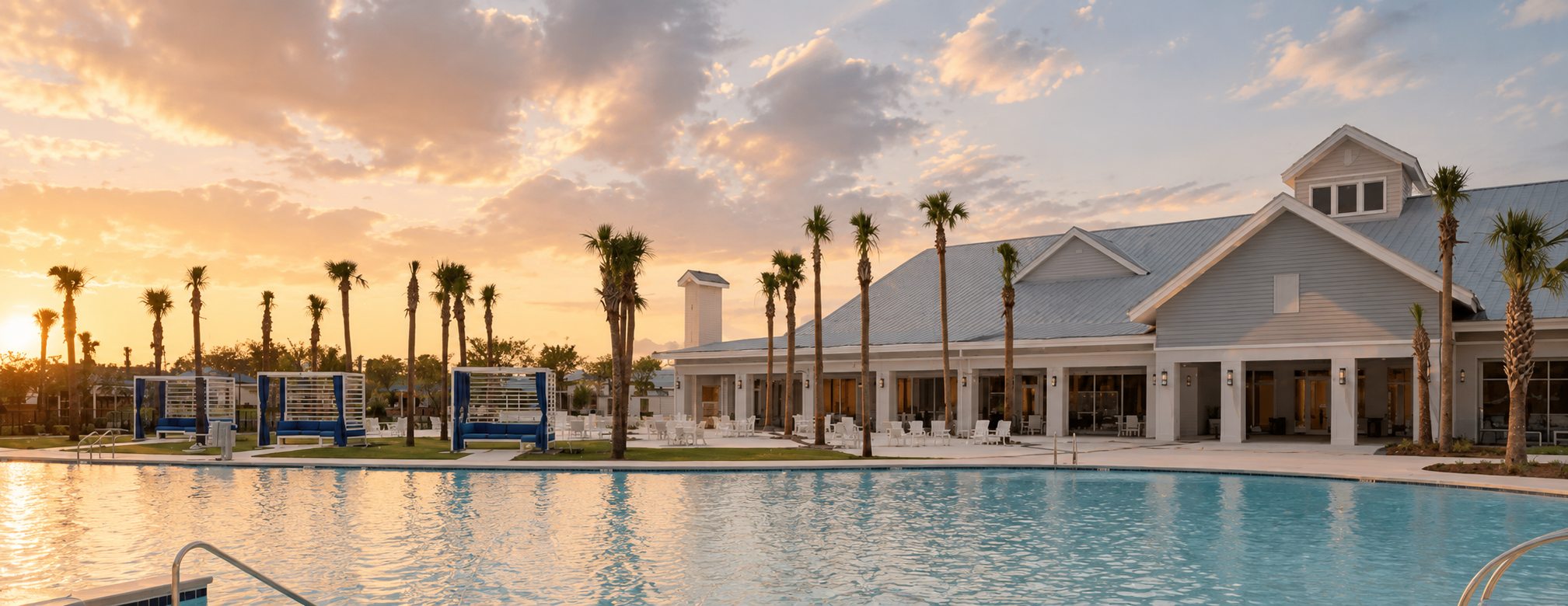
Typical features include a clubhouse, pools, fitness facilities, pickleball and tennis courts, walking trails, and an on-site activities calendar, with lawn maintenance often included in the dues. Well-known examples in the region include Del Webb at Nexton and Cresswind Charleston at The Ponds, along with age-qualified sections within larger master-planned communities. Because builders open and sell out phases over time, and because amenities and dues vary, buyers should verify current availability, fees, and community details directly with each community before making a decision.
Cost of Living and Taxes
South Carolina is often described as tax-friendly for retirees, and there are concrete reasons for that. The state does not tax Social Security benefits, and it offers a retirement-income deduction for eligible residents, with a larger deduction available at age 65 and older. Property taxes on a primary residence are relatively modest thanks to the owner-occupied assessment ratio, and residents 65 and older may qualify for the state's homestead exemption, which reduces the taxable value of a primary home.
Housing cost varies widely by area. Communities in the Summerville, Nexton, and Cane Bay corridors generally offer more house and newer construction for the money, while Mount Pleasant, Daniel Island, and waterfront locations sit in higher price tiers. Beyond the purchase price, budget for HOA dues, and research flood zones and elevation for any specific property, since flood insurance may be required near the water and marsh. Tax rules and exemptions change and depend on your situation, so confirm the current details with the South Carolina Department of Revenue and a qualified tax professional.
Healthcare in the Region
Access to healthcare is often a deciding factor for retirement buyers, and the Charleston region is well covered. Major systems serving the area include MUSC Health, Roper St. Francis Healthcare, Trident Health, and the Ralph H. Johnson VA Medical Center, along with a wide network of specialists, outpatient centers, and clinics spread across Mount Pleasant, West Ashley, North Charleston, and Summerville.
When you are comparing areas, it is worth mapping the drive time from your prospective neighborhood to the hospitals and specialists you expect to use. The region is spread out, so a location that is convenient to your preferred providers can make a real difference over time. Establishing local doctors and dentists early is straightforward given the number of options.
Where to Focus Your Search
There is no single best place to retire in the Charleston area; there is only the place that fits how you want to live. If you want new construction, single-level homes, resort-style amenities, and the most house for the money, the Summerville, Nexton, and Cane Bay corridors are the natural starting point and home to most of the region's age-qualified communities. If beach proximity and an active, water-oriented lifestyle top your list, Mount Pleasant puts you minutes from Sullivan's Island and Isle of Palms, at a higher price point.
If you want a compact, walkable community with its own town center, Daniel Island is worth a close look, and if the historic, urban energy of the peninsula is the dream, Downtown Charleston offers walkable living surrounded by restaurants and culture. Summerville's historic downtown offers a charming small-town feel farther inland. Touring several of these in person, ideally at the time of day you would actually run your errands, is the fastest way to find your fit.
Making the Move Smoothly
If you are relocating from out of state, a short-term rental can be a smart first step. It lets you experience a season in the Lowcountry, test different areas, and confirm your neighborhood before committing to a purchase. Many of my retirement clients tell me the in-person time is what ultimately made the decision clear.
On the practical side, plan for South Carolina driver's license and vehicle registration after you arrive, update your address and voter registration, and establish your local healthcare providers. If you are buying in an age-qualified or amenity-rich community, review the HOA documents, dues, and what is included carefully so there are no surprises. I am always glad to help you compare communities based on what matters most to you and to build a tour that fits your priorities.