Why People Move to Summerville
The short version is space and value. For roughly the same money that buys a modest home closer to the water in Mount Pleasant or Downtown Charleston, you can often buy something considerably larger in Summerville, frequently on a bigger lot and often brand new. That math alone drives a lot of relocations, particularly for buyers who want more square footage and remote workers who do not need to be near an office every day.
But value is only part of the story. Summerville has a genuine sense of place. The historic downtown is walkable and leafy, full of azaleas that explode into color each spring, and the town leans hard into its identity as Flowertown in the Pines. The annual Flowertown Festival draws huge crowds, Azalea Park is a beloved public green space, and there is a real community rhythm here that many transplants tell me they were missing in bigger metros.
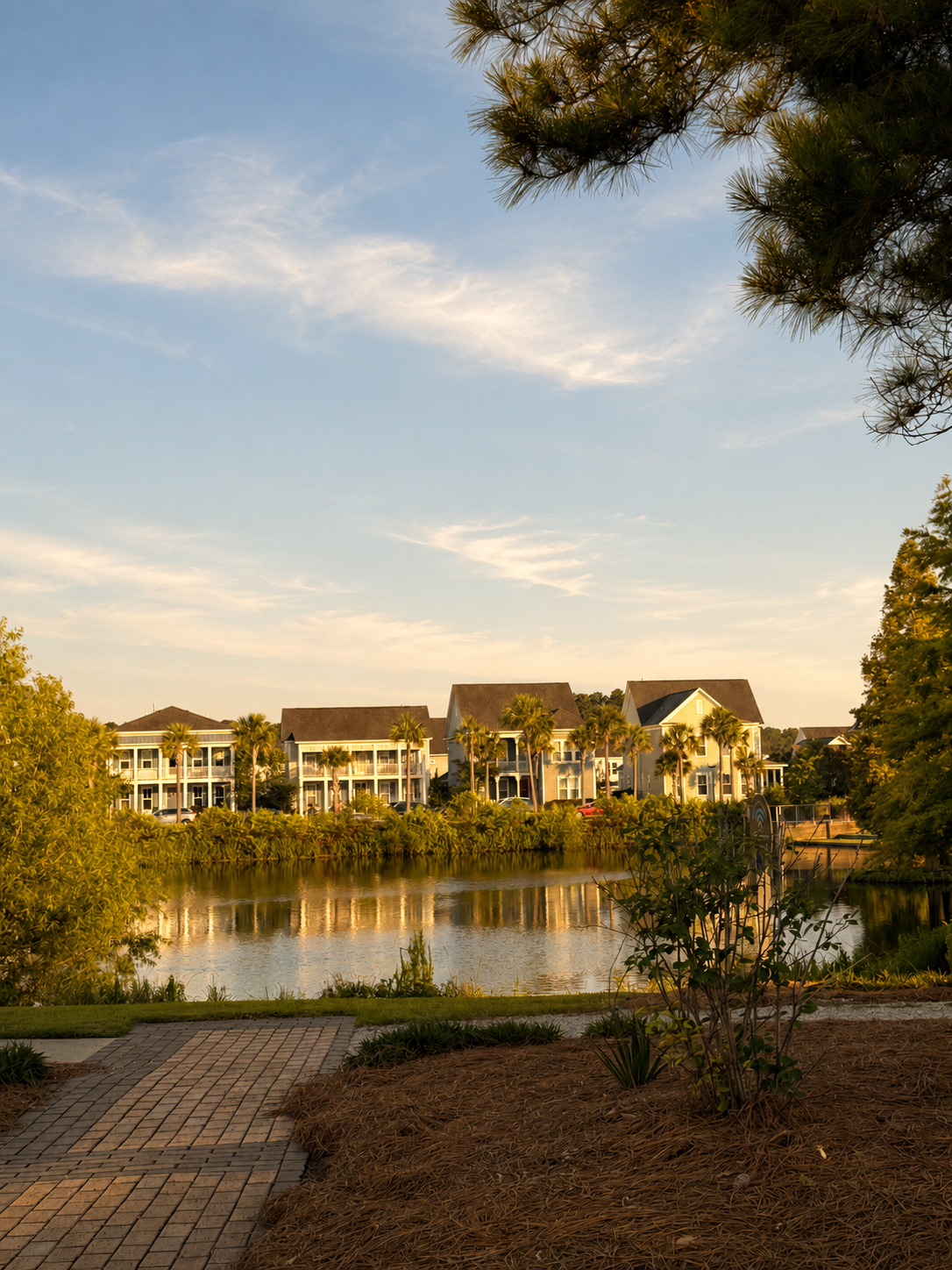
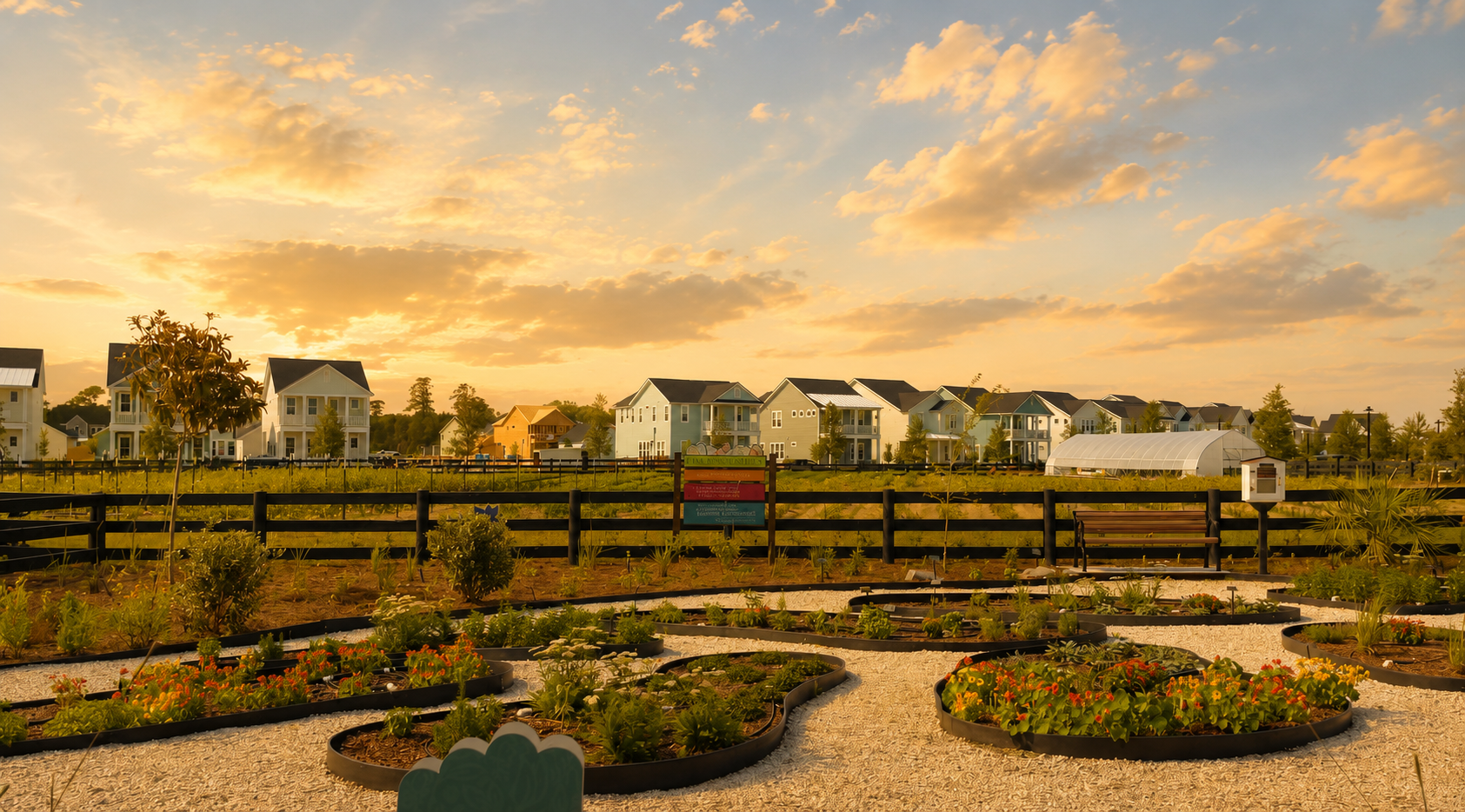
Then there is the growth factor. Summerville has become the epicenter of master-planned living in the region, with communities like Nexton, Cane Bay, Carnes Crossroads, and Summers Corner adding thousands of homes, new schools, retail, and amenities. If you like the idea of a newer home in a neighborhood built around parks, trails, and pools, this is the part of greater Charleston where you will find the widest selection.
Where Summerville Sits in the Charleston Region
Geographically, Summerville straddles Dorchester and Berkeley counties and sits inland from the coast, which matters more than newcomers expect. Being away from the immediate waterfront generally means fewer flood-zone headaches than you might face on parts of James Island or the barrier islands, though you should always confirm the specific flood designation on any property you consider.
The town anchors the northwest corner of the metro. Head southeast on Interstate 26 and you reach North Charleston, the airport, and eventually Downtown Charleston. To understand the geography, it helps to picture the region as a fan: the historic peninsula at the center, East Cooper communities like Mount Pleasant and Daniel Island to one side, West Ashley across the river, and Summerville out along the interstate corridor to the northwest.
That position gives Summerville a distinct personality. It is close enough to enjoy Charleston's beaches, restaurants, and culture on weekends, but far enough that it feels like its own town rather than a suburb. Many residents come to love that separation. Others find the distance wears on them during weekday commutes, which brings us to the single most important topic for anyone relocating here.
The Commute: The Thing to Get Right
I will be direct: the commute is the make-or-break issue for most Summerville buyers, and it deserves careful thought before you fall in love with a floor plan. The primary route into Charleston is Interstate 26, and during morning and evening rush hour that corridor can slow dramatically. A drive that takes 30 to 35 minutes at 10 a.m. can stretch well beyond an hour when everyone is heading to work at the same time.
If your job is downtown or on the peninsula, test the drive at the actual times you would travel before you commit. If you work in North Charleston, near the airport, at Joint Base Charleston, or in the Nexton and Ladson business areas, your commute may be very manageable and the value equation of Summerville becomes extremely compelling.
Remote and Hybrid Workers
For remote and hybrid workers, Summerville is close to ideal. You get more house, established fiber internet in the newer communities, and quick weekend access to Charleston without paying the daily commuting tax. Many of my clients who relocated during the remote-work shift specifically chose Summerville because they only drive into the city a couple of times a week.
Planning Around Traffic
Locals learn the rhythms quickly. Leaving a little earlier or later can shave serious time off an I-26 trip, and knowing the surface-street alternatives helps when the interstate backs up. If a predictable, short commute is non-negotiable for you, weigh Summerville honestly against options closer to your workplace, including West Ashley, which sits between here and the peninsula.
Summerville Neighborhoods and Communities
One of the reasons Summerville is so popular is the sheer range of places to live, from historic cottages in the old town core to sprawling new master-planned communities. Understanding the main players helps you narrow your search quickly.
Historic Downtown Summerville
The old town center is charming and walkable, with mature trees, character homes, and easy access to local shops and restaurants. If you value walkability and vintage character over new construction, this is where you want to look. Inventory here is limited and homes can move fast when they are priced well.
Nexton
Nexton is a large master-planned community in the Summerville area, organized into districts like Brighton Park and Midtown. It is known for fiber internet, a walkable retail core at Nexton Square, and a genuine live-work-play design philosophy. Its range of home types and price points works for a wide span of budgets and preferences.
Cane Bay, Carnes Crossroads, and Summers Corner
Cane Bay in Berkeley County is an enormous master-planned community built around lakes and a lagoon, with its own Publix-anchored shopping and schools. Carnes Crossroads sits near Goose Creek and offers a classic town-center feel. Summers Corner leans into nature with Buffalo Lake, the Corner House cafe, and a community amenity called The Club. Each has a distinct personality, and I always recommend touring several before deciding.
Cost of Living and Housing
Summerville generally offers better housing value than the closer-in and coastal parts of the metro. You can find a wide spread of price points, from attainable townhomes and smaller homes to larger custom houses in the higher-priced sections of the master-planned communities. That range is a big part of why the town works for such a wide span of budgets.
Keep the full picture in mind beyond the sticker price of the house. Master-planned communities typically carry homeowner association dues that fund the pools, trails, and gathering spaces, so factor those into your monthly budget. South Carolina property taxes on an owner-occupied primary residence are relatively favorable compared with many states, which softens the overall cost of ownership. South Carolina also does not tax Social Security income and offers a retirement income deduction, which are worth factoring into your overall cost analysis.
One practical note: newer homes in these communities often come with modern energy efficiency and lower maintenance, which can offset a slightly longer commute for buyers who run the numbers carefully.
Schools and Recreation
Schools are near the top of many buyers' priority lists. The town is served primarily by Dorchester District Two, with Berkeley County schools covering the communities on that side of the line. Several of the master-planned communities have new schools built right into the neighborhood.
School attendance zones matter and can change as the area grows, so buyers are encouraged to verify school assignments and review the latest information directly through the school district and South Carolina Department of Education. Beyond the classroom, there is a lot to do here: parks, sports leagues, splash pads, and the trail networks woven through the newer communities, with plenty of yards and bike-friendly streets.
Daily Life, Dining, and Recreation
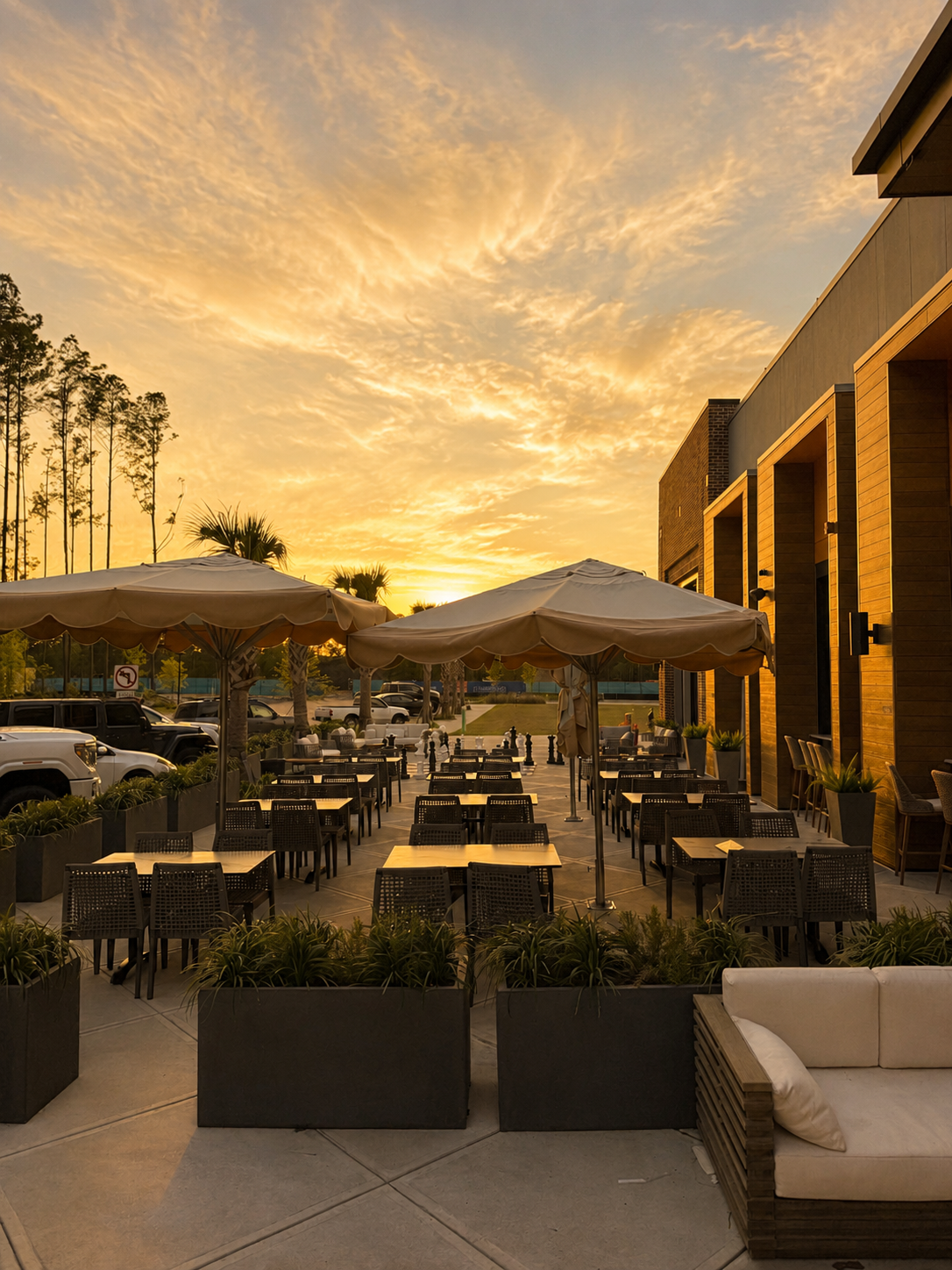
Life in Summerville has a comfortable, unhurried pace. Downtown hosts farmers markets and seasonal events, Azalea Park is a lovely spot for a stroll, and the Flowertown Festival is a genuine highlight of the local calendar each spring. The dining scene has grown alongside the population, with Nexton Square and the community town centers adding restaurants, coffee shops, and breweries that give residents good options without driving into the city.
And the city is still right there when you want it. On weekends, plenty of Summerville residents make the drive to Downtown Charleston for dinner on King Street, to the beaches at Isle of Palms and Sullivan's Island, or to West Ashley for shopping and everyday errands. The beauty of Summerville is that you get a quieter home base while keeping the coast within reach.
Is Summerville Right for You?
Summerville is an excellent fit if you want more home for your money, like the idea of a newer community with built-in amenities, and either work on the northwest side of the metro or have the flexibility of remote work. It is a strong choice if you want space and access to schools, parks, and trails without giving up access to Charleston's culture and coastline.
It is a tougher fit if you need to be downtown every weekday and cannot tolerate a variable I-26 commute, or if you specifically want the walkable, waterfront lifestyle of the peninsula or the barrier islands. In those cases, we might look together at communities closer in. Either way, the key is matching the location to how you actually live day to day, and that is exactly the conversation I love having with clients before they buy.